
How is PPCM diagnosed?

Most women with peripartum cardiomyopathy (PPCM) are diagnosed in the last month of pregnancy or within the first few months after giving birth. Sometimes, the diagnosis is delayed because the symptoms—like fatigue, swelling, and shortness of breath—can be mistaken for normal pregnancy changes.

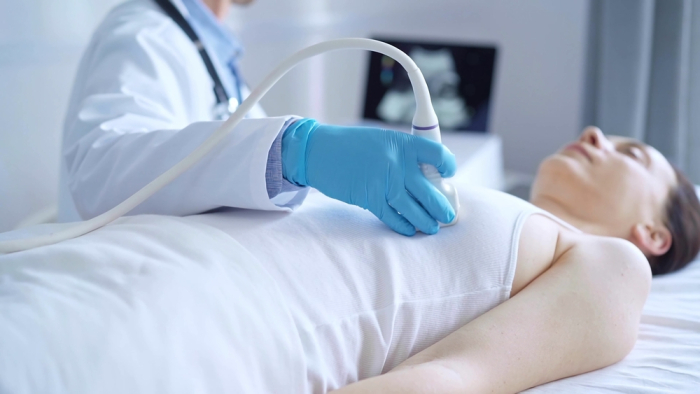
person getting echo

Echocardiogram

PPCM is primarily diagnosed on an echocardiogram (echo), which is an ultrasound of the heart. The echo can show how well the heart muscle is pumping. The echo reports the ejection fraction (EF). The EF is the percent of blood the heart pushes out with each heartbeat. In PPCM, the EF is lower than normal.

Additional tests 

Additional tests can help determine if you have signs of PPCM:

  • Chest X-ray: This can show if there is extra fluid in the lungs.
  • Blood tests: A specific test called NT-proBNP (or BNP) can help detect fluid buildup in the body.
  • Electrocardiogram (ECG): This test checks the heart’s electrical activity to look for any irregularities.